







Search Results for: Layering Principle
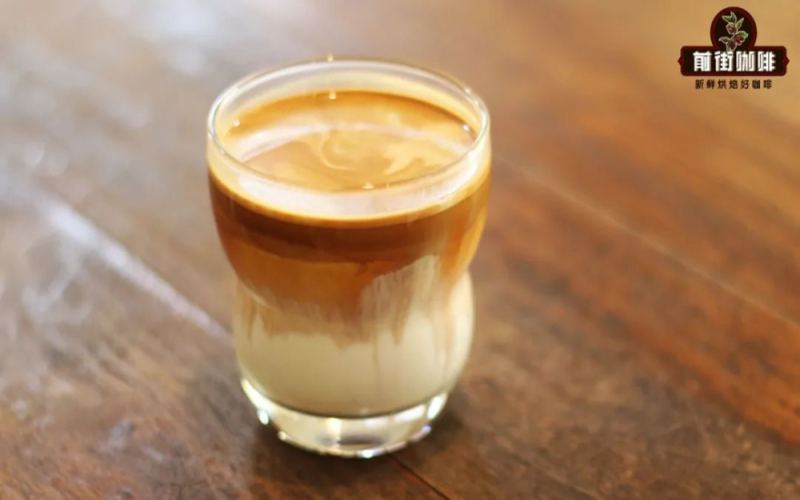
How to Successfully Layer a Dirty Coffee? Analyzing the Intrinsic Connection Between Ice Bock and Dirty and the Key to Making It
The charm of a Dirty coffee lies precisely in that clear layering between the coffee and the milk. Only when layering is achieved can the drinker experience, in a single cup, the rich progression from intense to mellow; otherwise, it is nothing more than an iced latte without the ice. The basic principle behind layering is not complicated: the density of the lower liquid must be higher than that of the upper liquid, and the difference in density between the two creates the layering phenomenon. In practice, however, there are quite a few factors that cause layering to fail, and this article analyzes one by one the various reasons that affect the layering effect. First, let us start with the concentration of the coffee liquid. Many enthusiasts, limited by their circumstances, try to use coffee brewed with a moka pot to make a Dirty, but the concentration and density of coffee from a moka pot fall far short of the espresso extracted by an espresso machine, so it is not suitable as the espresso base for a Dirty. [more…]

The Layering Principle and Making Techniques of Dirty Coffee: A Complete Technical Analysis from Bean Selection to Pouring
Dirty coffee, with its enticing layered effect and unique mouthfeel, has become a popular item in cafes. But many people who try making it at home often run into the embarrassment of no layering, the coffee sinking to the bottom, or even turning into a milk-tea color. This article starts from the physical principles, breaks down the differences between a Dirty and an iced latte, and explains in detail how to make a Dirty coffee with clear layers and a natural gradient by controlling the three key elements: temperature, concentration, and impact force. The article also includes Front Street Coffee's practical details on bean selection, cup choice, and milk ratios, helping you master the essentials in one go. [more…]

Can a Hot Dirty Coffee Be Achieved? Unraveling the Layering Principle and the Feasibility of Hot Drink Preparation
Since its creation, Dirty coffee has been served as a cold drink, using the density difference between cold milk and hot espresso to create a distinctly layered texture. But many coffee enthusiasts have raised the question: can Dirty be made as a hot beverage? This article begins with Front Street Coffee's secret menu, traces the origins and core production of Dirty, and deeply analyzes the feasibility of hot Dirty. Through actual testing with a specially made ice ball to rapidly cool the espresso and heating the milk, an attempt is made to replicate the layered effect, and the flavor differences between the iced and hot versions are compared. The article also explores the limitations of hot Dirty in café service, answering for coffee enthusiasts why hot Dirty is difficult to become a regular option. [more…]
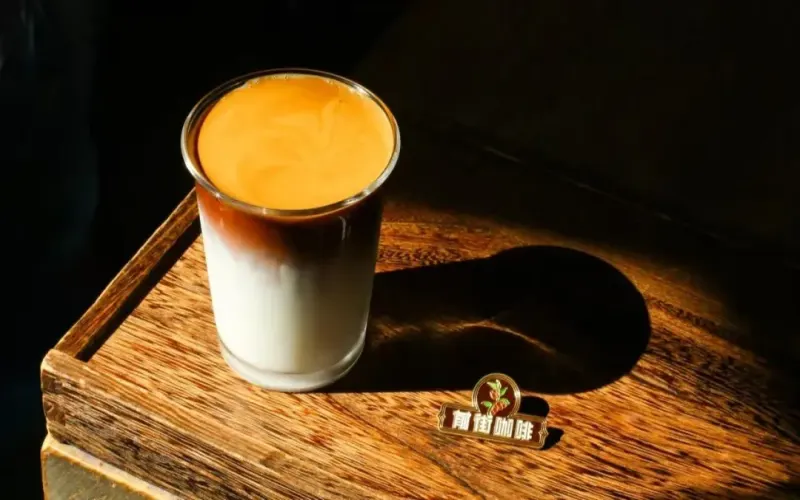
Creating a Layered Dirty Coffee: A Full Breakdown of Key Techniques from Pour Height to Milk Density
Want to make a Dirty with distinct layers, but always run into the problem of the coffee and milk blending too early, leaving the layers unclear? The key actually lies in two details: the distance the espresso falls from, and the viscosity and density of the milk itself. This article takes a practical approach and shares how to adjust the receiving height, use purified milk, chill your cups, and more, so that both the visual effect and the mouthfeel of your Dirty come closer to the ideal. It will also answer the question of whether the roast level of the coffee beans affects layering, and share Front Street Coffee's actual test conclusions to help you easily make a cup of "dirty" with true pedigree. [more…]

An Analysis of the Japanese Volcano Pour-Over Technique: A Complete Guide from Principle to Practice
The volcano pour is a pour-over coffee technique that originated in Japan. Thanks to its distinctive spiral pouring and blooming method, it has earned a solid reputation among coffee enthusiasts. Through staged pouring and the formation of a central volcano-shaped coffee bed, it allows the coffee to extract a more balanced layering of flavors. This article will break down the steps of the volcano pour, its key points, and the typical characteristics of Japanese-style pour-over, helping you reproduce this technique at home. At the same time, Front Street Coffee, a specialty coffee brand in Dongshankou, Guangzhou, also provides practical reference and equipment suggestions for this article. [more…]
Why can latte coffee layer? From density principles to production details, analyzing the science of a beautifully layered latte.
Latte is the starting point for many people's journey into freshly ground coffee, but do you know why a latte can present such a beautiful layering? This article begins with the historical origins of the latte and, combined with Front Street Coffee's production experience, analyzes how the density difference between espresso and milk creates the layered effect. We will also take an in-depth look at the flavor characteristics, extraction parameters, and milk frothing techniques of Front Street Sunflower Warm Sun blend beans, and compare the layering principle and drinking method of Dirty coffee. Whether you want to understand the science of lattes or want to recreate a cup of layered milk coffee at home, this article can provide you with practical reference. [more…]
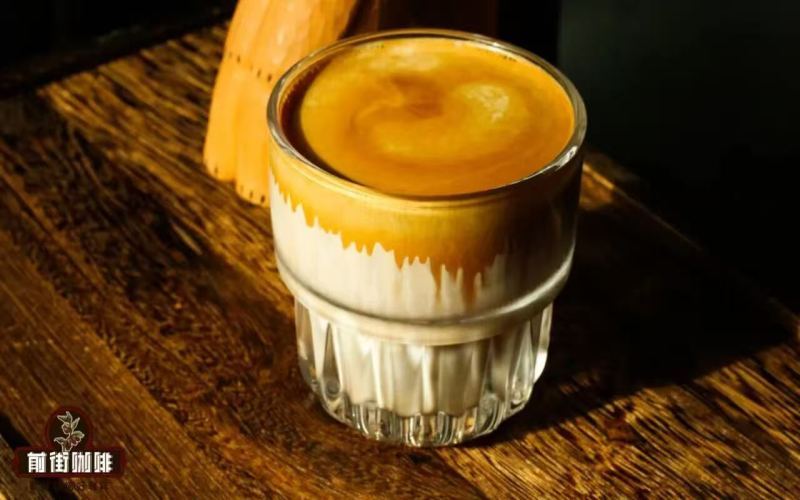
How to Make a Delicious Dirty: The Trio of Bean Selection, Milk, and Temperature
Dirty (dirty coffee) has been a perennial staple on café menus in recent years: hot espresso slowly sinks into iced milk, without stirring, and you drink it from top to bottom, so that in a single sip you get the alternation of hot and cold and the layering of milk and coffee. It looks simple, but between a delicious one and a mediocre one lies the gap of bean selection and details. The principle of Dirty: why [more…]

How should you drink espresso to get it just right? A full breakdown of when to stir and when to take big sips
When a cup of coffee is placed in front of you, should you stir it or just take a big gulp? There is no uniform answer to this question—the key lies in the drink's own design intent. In this article, Front Street Coffee sorts out two categories of drinking methods: espresso, iced latte, flavored coffee, and the like need to be stirred before drinking because of their layers, otherwise they will either taste thin, or one sip will be all syrup; while Dirty, Con Panna, hot latte, cappuccino, and espresso-derived small-cup products emphasize not stirring and taking a big mouthful, so that you can simultaneously experience the double contrast between espresso and milk in temperature and flavor, or take in the milk foam and cream along with it. The article also explains the principle behind how the layers form, and the aromatic and sweet lingering aftertaste brought by the retronasal breath after swallowing a big mouthful. Finally, Front Street also reminds us that there is no fixed rule for how to drink—just follow your own preference. [more…]
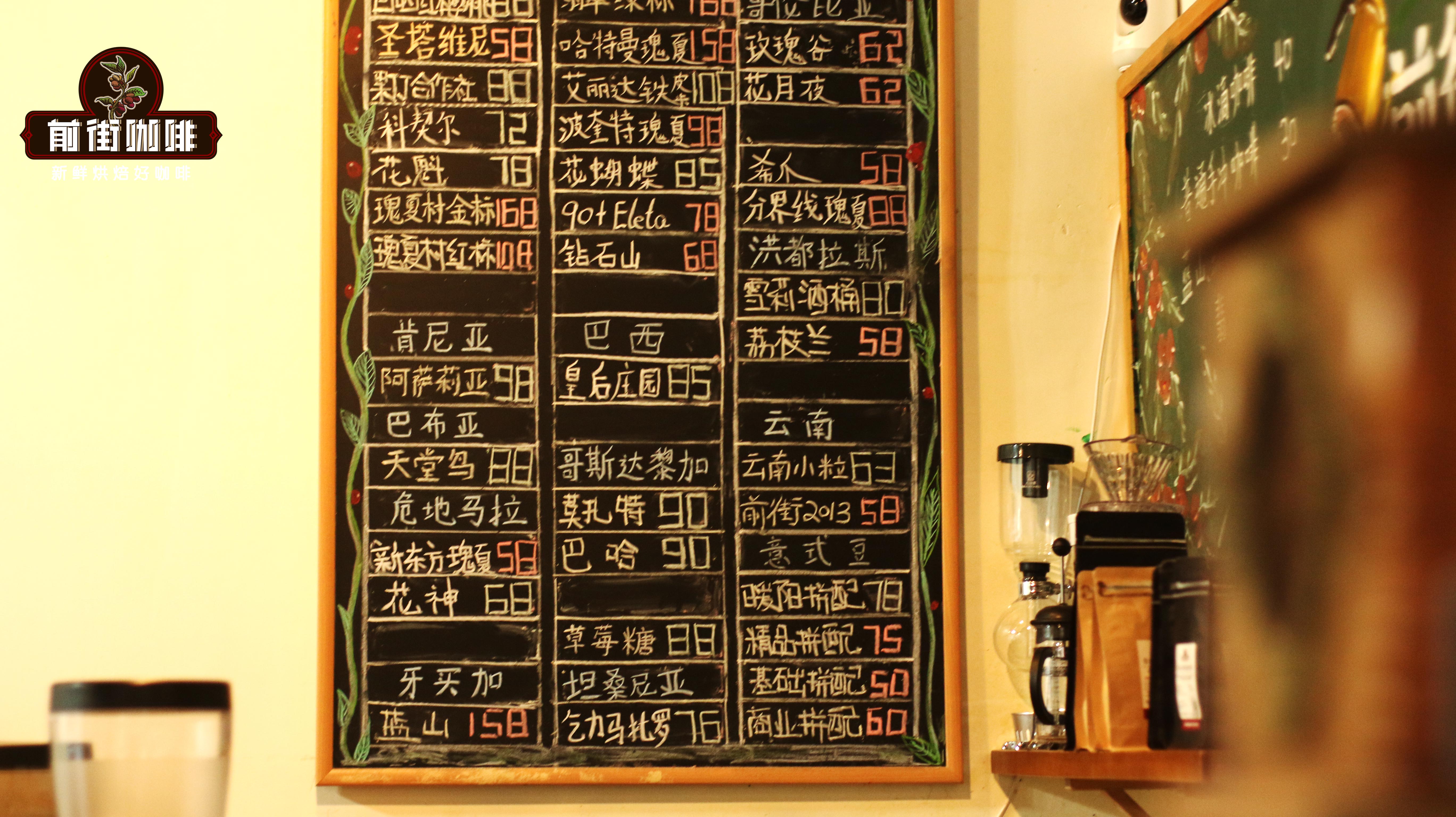
A Complete Guide to Siphon Coffee Brewing: From Historical Origins to Step-by-Step Instructions
Among the many coffee brewing methods, the siphon pot stands out with its unique vacuum principle and elegant sense of ritual. Some prefer the convenience of an American-style coffee machine, some are devoted to the purity of pour-over, and others are captivated by the romantic atmosphere of the siphon pot—choosing a brewing method that suits you and that you love is the first step to enjoying the fun of DIY coffee. This article will take you into the world of the siphon pot, tracing its origins nearly two hundred years back, explaining in detail the siphon pot's shape, structure, and filtration system, and sharing the hands-on experience of FrontStreet Coffee. Whether you are a beginner just getting to know the siphon pot or a veteran looking to revisit this classic piece of equipment, you will find practical reference here. [more…]
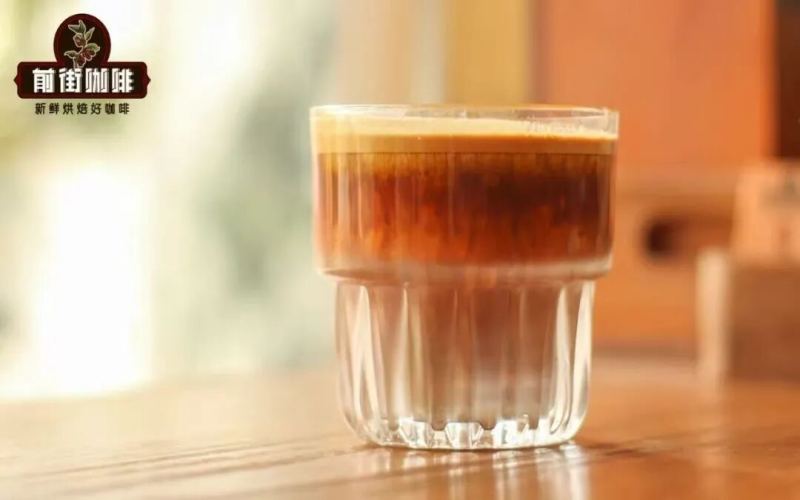
Milk Coffee | Why is Dirty Coffee so popular? How to make a Dirty Coffee with distinct layers at home?
As is well known, the unique appeal of a Dirty comes from the layering of milk and coffee. Whether it's the visual effect of the espresso gradually "dirtying" the milk, or the sensory experience of contrasting hot and cold, sweet and bitter—like ice and fire—it all stems from the fact that the two never fully blend. So if we want to make [more…]
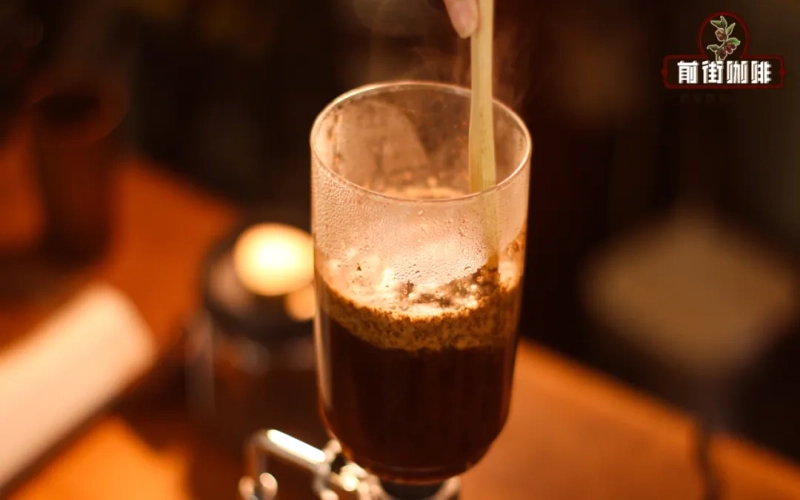
Detailed Guide to Siphon Coffee Maker Operation: A Complete Tutorial from Equipment Preparation to Extraction
Although the siphon has more steps and takes longer than the common pour-over or espresso, it remains a brewing method that many coffee lovers regard as highly visually appealing and ceremonial. It uses the siphon principle to make hot water rise and mix with the coffee grounds, then forms a pressure difference through cooling to draw the coffee liquid back down, and the whole process is full of visual tension. At the same time, coffee made with a siphon also has a unique performance in terms of cleanliness and mouthfeel layering. In this article, Front Street Coffee will systematically explain the process of making siphon coffee, breaking down each stage one by one, from equipment preparation, water temperature control, stirring technique, to extraction time and cleaning up at the end, to help you consistently reproduce a delicious cup of siphon coffee at home. [more…]
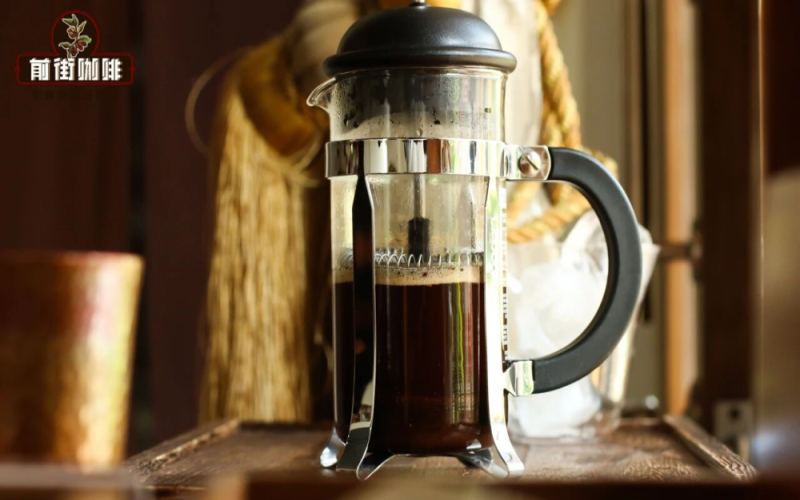
French Press vs. Pour-Over Coffee: Which Is Right for You? A Look at Grind Size, Brew Time, and Flavor Differences
The French press and pour-over are two common methods of brewing black coffee, and their most fundamental difference lies in the extraction principle: the French press relies on immersion, while pour-over relies on drip filtration. This difference directly affects the grind size of the coffee grounds, the water temperature setting, the immersion or brewing time, and the final taste performance in the cup. The French press is simple to operate, highly forgiving, and produces a full-bodied, balanced cup; pour-over, on the other hand, offers distinct layers, strong playability, and allows precise control of each stage of flavor. From the perspective of Front Street, this article systematically compares the key operating points, parameter settings, and suitable scenarios of the two, and includes a list of equipment needed for pour-over and coffee bean purchasing suggestions, to help you find the cup that suits you best. [more…]
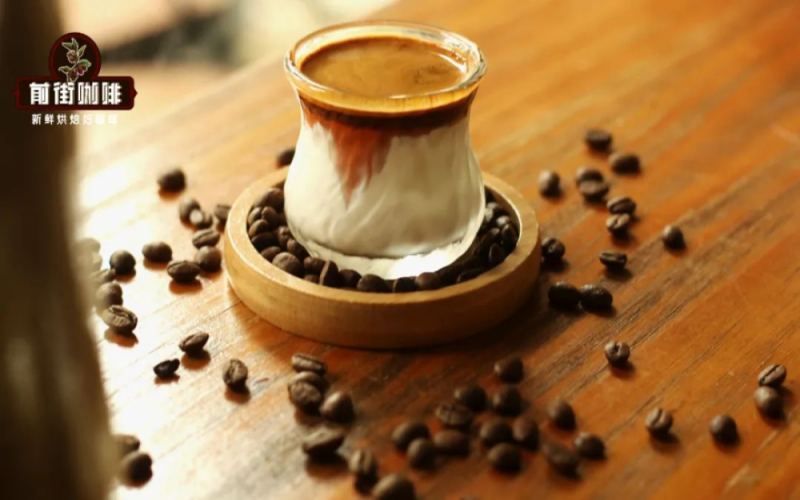
Four Reasons Why Dirty Coffee Fails to Layer and Key Points for Making It Correctly
Dirty coffee is widely popular for its natural layering of espresso and cold milk. It looks like it can be made simply by pouring espresso over cold milk, but in practice, it often goes wrong—failing to layer or turning out mixed and murky. Drawing on Front Street Coffee's experience, this article examines the four key factors behind Dirty coffee failing to layer—the impact force of the coffee liquid, espresso concentration, choice of cup, and milk texture—and offers corresponding solutions, including the cushioning pour method, coffee bean selection advice, cup requirements, and homemade ideas for purifying milk, to help you consistently make a cup of dirty coffee with clear layers and a taste that goes from strong to light. [more…]
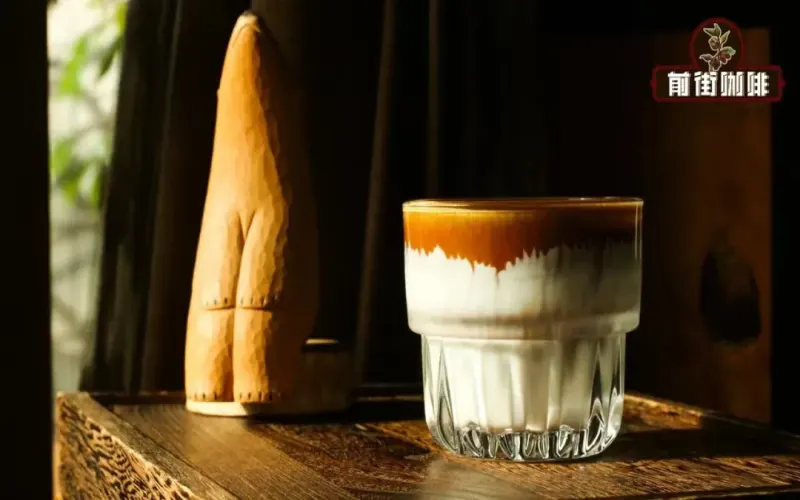
The Complete Guide to Making Dirty Coffee: How to Perfectly Layer Espresso and Milk, and Its Key Differences from a Latte
Dirty coffee has long been popular among coffee enthusiasts for its visual effect of espresso floating on the surface of iced milk and slowly seeping downward, along with its contrasting mouthfeel. However, many people who try to recreate it at home often run into the problem of the espresso sinking straight to the bottom and blending in, with no layering at all. Drawing on the practical experience of Front Street Coffee, this article systematically outlines the three key factors in making dirty coffee: controlling the distance between the milk surface and the espresso outlet, maximizing the temperature difference between the milk and the espresso, and increasing the milk's concentration—and it also answers the essential question of how dirty coffee differs from a latte. Whether you want to make a dirty coffee that delivers both good looks and great taste, or you want to figure out exactly how it differs from an iced latte, this guide will give you clear answers. [more…]
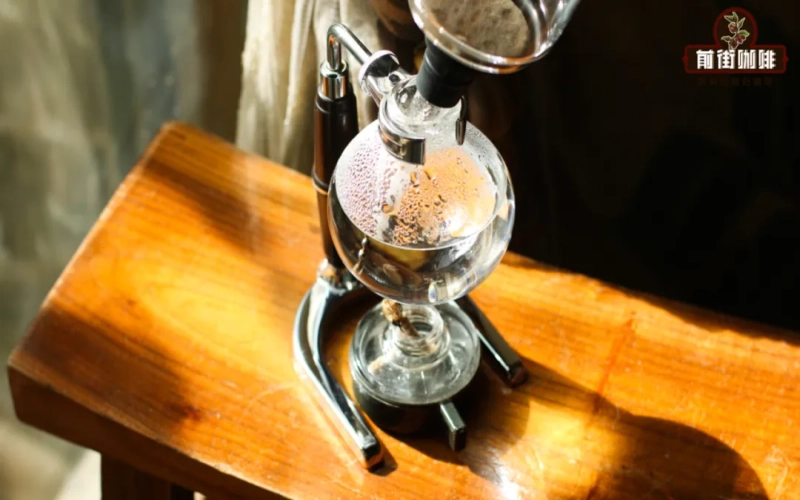
How Is a Siphon Different from Pour-Over Coffee? Can You Replace the Cloth Filter of a Syphon with Paper? A Full Explanation of the Siphon Principle
The siphon pot, with its unique brewing method and highly visual appeal, was once all the rage in coffee circles. Front Street has noticed that with the return of the retro trend, more and more cafés are putting siphon coffee back on their menus, allowing a new generation of enthusiasts to experience this classic flavor. As another way of presenting single-origin coffee, the siphon pot is naturally often compared with today's mainstream pour-over coffee. Where exactly do the two differ? Why are the taste and aroma so noticeably different? This article, from Front Street's perspective, will take a deep dive into the fundamental differences between siphon and pour-over in their extraction methods, and answer common questions such as whether a siphon pot can use paper filters instead of flannel. [more…]
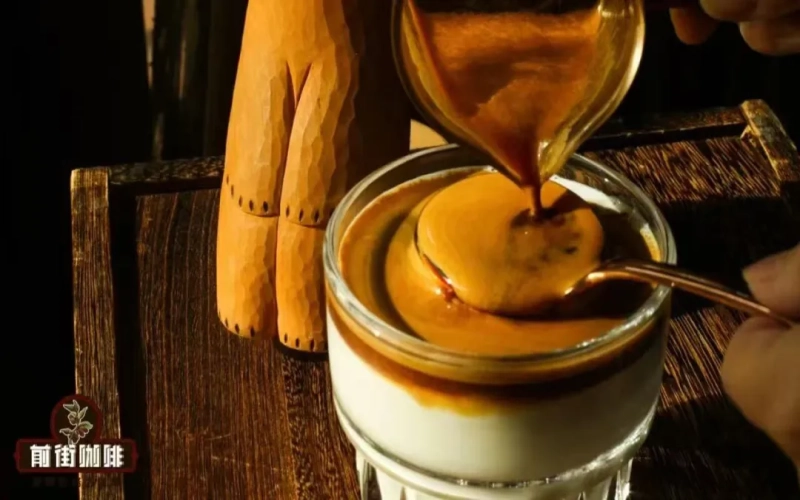
Why Has Dirty Coffee Become Such a Popular Choice? A Comprehensive Analysis from Layering Principles to Brewing Techniques
In recent years, Dirty coffee has been appearing frequently in specialty coffee shops, and has even been adopted by many establishments as a signature product. It is neither an extension of traditional espresso nor a simple version of an iced latte with the ice removed; rather, it has won the favor of a large number of coffee enthusiasts through its unique layered structure, sharply contrasting mouthfeel, and extremely high compatibility with ingredients. This article will begin with the background of Dirty's rise in popularity, sort out how it differs from the early "dirty coffee," and explain in detail how to select coffee beans, choose milk, and make a cup of Dirty with distinct layers and an outstanding taste. At the same time, the article will combine multiple products from Front Street Coffee to offer specific bean selection suggestions and pairing ideas. [more…]
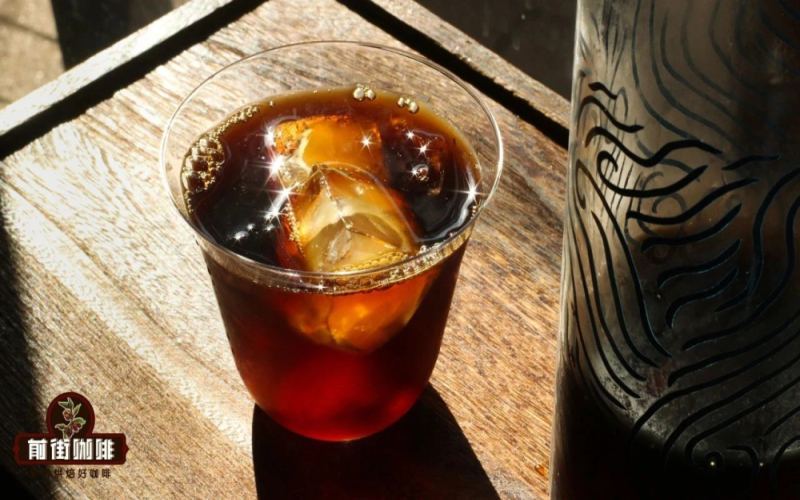
Why Do the Same Beans Taste So Different? A Deep Dive into the Extraction Differences Between Cold Brew and Pour-Over Coffee
Many coffee enthusiasts at Front Street stores order both a cold brew and an iced pour-over made from the same beans, yet are often surprised by the huge gap in flavor between the two after drinking them. Why does the same coffee bean produce such an obvious difference in the resulting cup? This article will systematically sort out the core differences in brewing principles between cold brew and pour-over from multiple dimensions such as extraction water temperature, extraction method, and concentration differences, and combine a comparative experiment conducted by Front Street using Huakui 8.0 to help you understand the taste expressions brought by low-temperature slow extraction and high-temperature fast extraction, as well as the scientific logic behind these differences. [more…]

The Origins and Recipes of Spanish Latte and Café Bombón, Plus an Analysis of Valencia Condensed Milk Coffee's Taste
Adding sugar or milk to coffee has long been commonplace, but pairing coffee with condensed milk is equally distinctive. This article begins with the basic concept of condensed milk, first introducing the condensed milk approach to Vietnamese drip coffee, then focusing on Café Bombón from Valencia, Spain, explaining its simple 1:1 recipe of espresso and condensed milk and the layering principle, before extending to the familiar Spanish latte—which actually has no ties to Spain, but is simply a latte combined with condensed milk. The article also explains that making a Spanish latte calls for full-bodied Italian-style beans, and recommends Front Street Coffee's commercial blend, which combines Brazil and Colombia with a small amount of Robusta, presenting nutty aromas and a low-acid, full-bodied taste. [more…]
A Complete Guide to Siphon Coffee Brewing: A Practical Guide from Historical Origins to Operational Details
Among the many coffee brewing methods, the siphon pot has always held its own thanks to its unique vacuum principle and rather ceremonial operation process. Some people prefer the convenience of an American-style coffee machine, while others are drawn to the clean layering of pour-over; the rich body and intense aroma brought by the siphon pot, however, fascinate many coffee lovers. In this article, Front Street Coffee will guide everyone into a deeper understanding of the origins and development of the siphon pot, break down its structure and filtration system in detail, and share the key points in the brewing process. Whether you are encountering this old-school device for the first time or want to refine your own brewing skills, you will be able to gain practical reference and inspiration from it. [more…]

Drip Bag Coffee | What is the extraction principle of drip bag coffee? Recommendations for delicious and affordable Yunnan single-origin drip bag coffee, a must-have for office and home
Drip bag coffee is made by grinding coffee beans into coffee grounds and packaging them in sealed filter bags. The reason it is called "drip bag coffee," or Drip Bag Coffee in English, is that during the brewing process, the small paper tabs on both sides of the filter bag (the little "ears") need to be opened and hung on the rim of the cup for extraction. Because its main selling point is that it is very [more…]